

The Thrill of Risk: Understanding High-Stakes Decisions
High-stakes casino decisions often involve an interplay of emotions, logic, and psychological impulses. The thrill associated with risking substantial amounts of money can trigger a rush of adrenaline, enhancing the allure of gambling. This excitement may lead players to take impulsive actions, driven by the potential for large rewards. For example, a no kyc crypto casino might attract those seeking anonymity and quick transactions, illustrating how different environments influence choices. The psychological impact of this thrill can overshadow rational decision-making, causing players to chase losses or bet more than they can afford.
The perception of risk is also influenced by cognitive biases, such as the illusion of control. Many gamblers believe that they can influence the outcome of a game through their actions or strategies, which can further escalate high-stakes behavior. Understanding these psychological underpinnings is crucial for both players and industry professionals, as it sheds light on why individuals make seemingly irrational choices when faced with high stakes.
The Role of Environment in High-Stakes Gambling
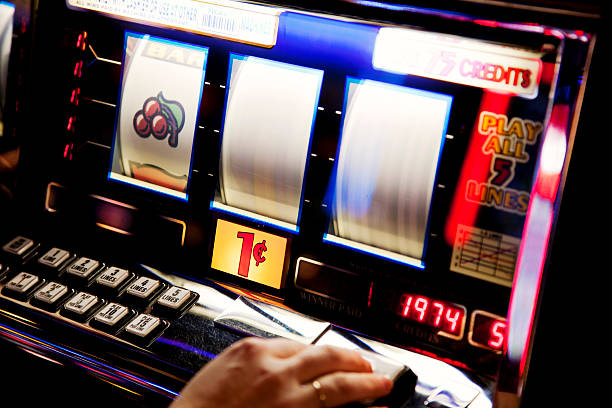
The environment of a casino significantly impacts decision-making processes. Factors like lighting, sound, and the overall ambiance create a unique psychological atmosphere that can affect how players behave. Bright lights and the sounds of winning machines can evoke feelings of excitement and encourage gamblers to take risks. This immersive environment makes it easier for individuals to lose track of time and money, leading them to make decisions they might regret later.
Additionally, social interactions within the casino can play a critical role. The presence of other players can create a sense of camaraderie or competition, influencing decisions. Observing others winning can provoke a desire to join in, further driving high-stakes bets. Understanding how spatial and social elements shape behavior can help in creating a more responsible gambling environment.
Emotional Triggers and Decision-Making in Gambling
Emotions significantly influence decision-making in high-stakes gambling scenarios. Players often experience a rollercoaster of feelings, from joy and elation during winning streaks to frustration and despair during losses. This emotional volatility can lead to the phenomenon known as “loss chasing,” where gamblers continue to bet in hopes of recovering their losses. The drive to regain lost money can cloud judgment, leading to decisions that prioritize immediate emotional relief over long-term financial consequences.
Furthermore, the anticipation of a win can create a heightened state of excitement that overrides logical thinking. This emotional high can compel players to make riskier bets than they would in a more rational state. Understanding these emotional triggers can lead to better strategies for managing gambling behaviors and enhancing overall decision-making processes in high-stakes situations.
Cognitive Biases in High-Stakes Gambling
Cognitive biases are mental shortcuts that can lead to faulty reasoning and poor decision-making, especially in high-stakes environments. One common bias among gamblers is the “gambler’s fallacy,” where individuals believe that past events influence future outcomes in games of chance. This misconception can lead to increased betting and a false sense of certainty, ultimately resulting in significant financial losses.
Another relevant bias is the concept of “sunk cost,” where gamblers might feel compelled to continue betting due to the amount they have already invested. This can lead to escalating bets in hopes of recovering previous losses, further entrenching them in a cycle of poor decision-making. Recognizing and understanding these cognitive biases is essential for gamblers, enabling them to make more informed and rational choices.
Ensuring a Safe and Secure Gambling Environment
For those exploring the thrill of high-stakes gambling, finding a secure platform is essential. Such platforms prioritize user protection, employing advanced security measures to safeguard personal and financial information. Understanding the importance of a safe gambling environment helps players make informed choices, promoting responsible gaming.
A reputable online casino or gambling site also provides clear information regarding its policies and practices, helping users feel more confident in their decisions. By being aware of the psychological aspects behind their choices, players can engage in high-stakes gambling responsibly while ensuring their experiences are enjoyable and secure.